Abstract
A study of the moment when amateur Hindi-film-song performance moved from family gatherings and living rooms into a searchable global media system. Through YouTube covers, domestic space became a stage, cultural memory became a participatory archive, and ordinary viewers became performers, editors and broadcasters.
Thesis
Early YouTube transformed the Indian family mehfil into a networked public form. It preserved the intimacy and informality of domestic performance while subjecting it to unfamiliar audiences, metrics, unequal visibility and platform power.
The argument is not that the internet simply democratised culture. It lowered the threshold for publication, allowing people without institutional access to record and circulate their work. Recognition, safety and legitimacy remained unevenly distributed by gender, class, age, technology and established ideas of aesthetic quality.
A particular historical moment
The project belongs to the transition from broadcast television to Web 2.0, before the professional creator economy and short-form vertical video became dominant. YouTube’s invitation to “broadcast yourself” described a new cultural role. A viewer could search for a canonical recording and immediately encounter hundreds of personal versions made with webcams, digital cameras, mobile phones and basic editing software.
A conceptual history of the media transition examined by the study.
The missing aunt and her ghazal
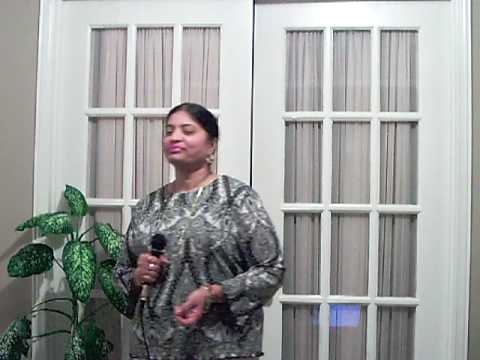
In many Indian families, a gathering once created an informal stage. An aunt sang a ghazal; a cousin performed a film song; the familiar audience supplied warmth and encouragement. These were amateur performances in the fullest sense: acts sustained by attachment rather than professional identity.
As families became geographically dispersed and gatherings less frequent, YouTube offered another setting. The singer could remain in the living room, preserve the informal betakalluf style of the mehfil and still address an audience potentially spread across the world. The new stage did not replace the old one exactly. It fused domestic intimacy with public exposure.
Domestic intimacy
Familiar songs, household rooms, family portraits, improvised equipment and performance without professional scrutiny.
Networked publicity
Unknown viewers, search results, comments, view counts and the fantasy of a global audience.
Lines of inquiry
Why create and share?
Is the upload an act of self-expression, connection, preservation, recognition or imagined broadcast?
What is the new visual language?
How do slideshows, wallpapers, phone-camera images, one-take dances and domestic mise-en-scène exceed established cinematic grammar?
Who can appear?
How do gender, age, safety, class and access to devices shape participation?
Who becomes visible?
What separates a contributor with double-digit views from a YouTube personality with a mass audience?
How the inquiry developed
Search trails
Use popular Hindi songs to locate both prominent and obscure contributors.
Netnography
Observe videos, profiles, comments and patterns of participation in their online setting.
Close reading
Study performance, framing, rooms, objects, editing, sound and address.
Interviews
Speak with makers and regular viewers about purpose, process and response.
Search itself is part of the method. One canonical song creates an entry point; recommendations and related videos reveal an expanding vernacular archive. This “following” of links mirrors how viewers encountered the work at the time.
A vernacular taxonomy
The videos should be read as forms rather than ranked by professional polish. Their technical limits often produce their distinct cultural language.
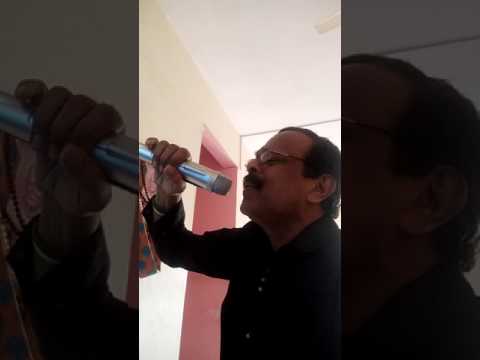
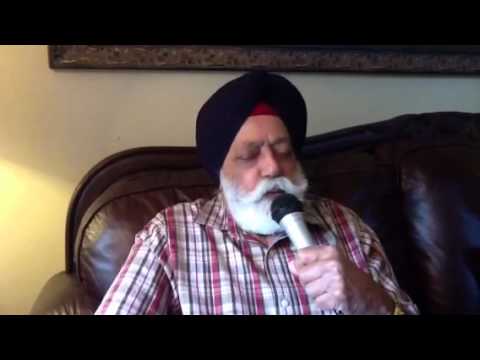
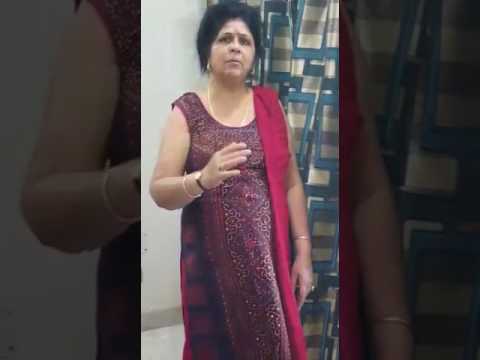
The living-room cover
A direct vocal performance in a recognisably domestic setting.
The instrumental tribute
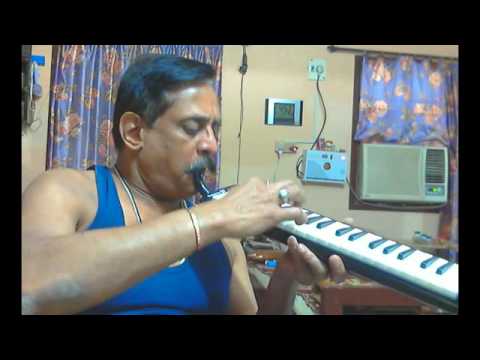
Melodica, whistling, yodelling or another individual reworking.
The photo-song
Personal or found photographs placed over an existing soundtrack.
The one-take performance
A dance or song performed continuously to a playing track.
The video love letter
Images, quotations and contact details assembled as public romantic address.
The diasporic return
A remembered song used to inhabit cultural distance and nostalgia.
One song, many lives
The 1951 song “Tum Na Jaane Kis Jahan” provides a focused corpus. Keeping the song constant makes differences in voice, technique, setting and self-presentation more legible. The covers form neither copies nor auditions alone; together they show cultural memory being renewed through repetition.
Links recorded in the supplied essay. Availability and metadata may have changed since the study.
Audio-Visual Darshan
Darshan gives the project a useful relational frame. The performer offers an image and voice to be encountered; the viewer’s act of looking completes the relationship. On a platform, however, this exchange becomes measurable and persistent. Views, comments and recommendations turn recognition into data.
The Audio-Visual Darshan archive extends the enquiry beyond song covers into wider cultures of internet video, audio, photography, amateur practice and self-publication. It functions as a public research notebook: part observation, part curation and part experiment in how digital culture can be documented while it is still taking shape.
The family mehfil did not simply move online. It was transformed by cameras, search, comments, metrics and an audience the performer could not see.
Findings and tensions
The informal video should not be understood as an incomplete version of professional media. It is a vernacular form with its own logic: direct address, improvised montage, visible domesticity and emotional sincerity. At the same time, celebrating informality must not obscure unequal access or the commercial system that organises circulation.
Why it matters now
Contemporary creator culture is more professionalised, monetised and algorithmically optimised. Returning to early YouTube reveals another platform imaginary: less stable, sometimes awkward, often intimate and organised around the discovery that an ordinary person could publish at all.
The study preserves a historical moment when inherited popular culture, new recording tools and personal aspiration met. It also anticipates questions that now define platform studies: who produces culture, who controls visibility, how intimacy becomes content and how commercial infrastructure converts participation into value.